xLab: Safe Autonomous Systems Lab

We develop safety-critical autonomous systems.

Research

About Us

Welcome to xLab at the University of Pennsylvania. At xLab we commited ourselves to research in the field of life critical systems. This is done by developing high performance and safe applications that are used in many different areas: Autonomous Vehicles, medical devices, Ai code desigerns. By using methods and techniques from the field of machine learning, control theory and formal methods we are investigating how life critical systems can be implemented in our every day life.

We are proud to be part of the PRECISE Center and the GRASP Laboratory at University of Pennsylvania.

Highlights

AI Coaching
AI Coaching

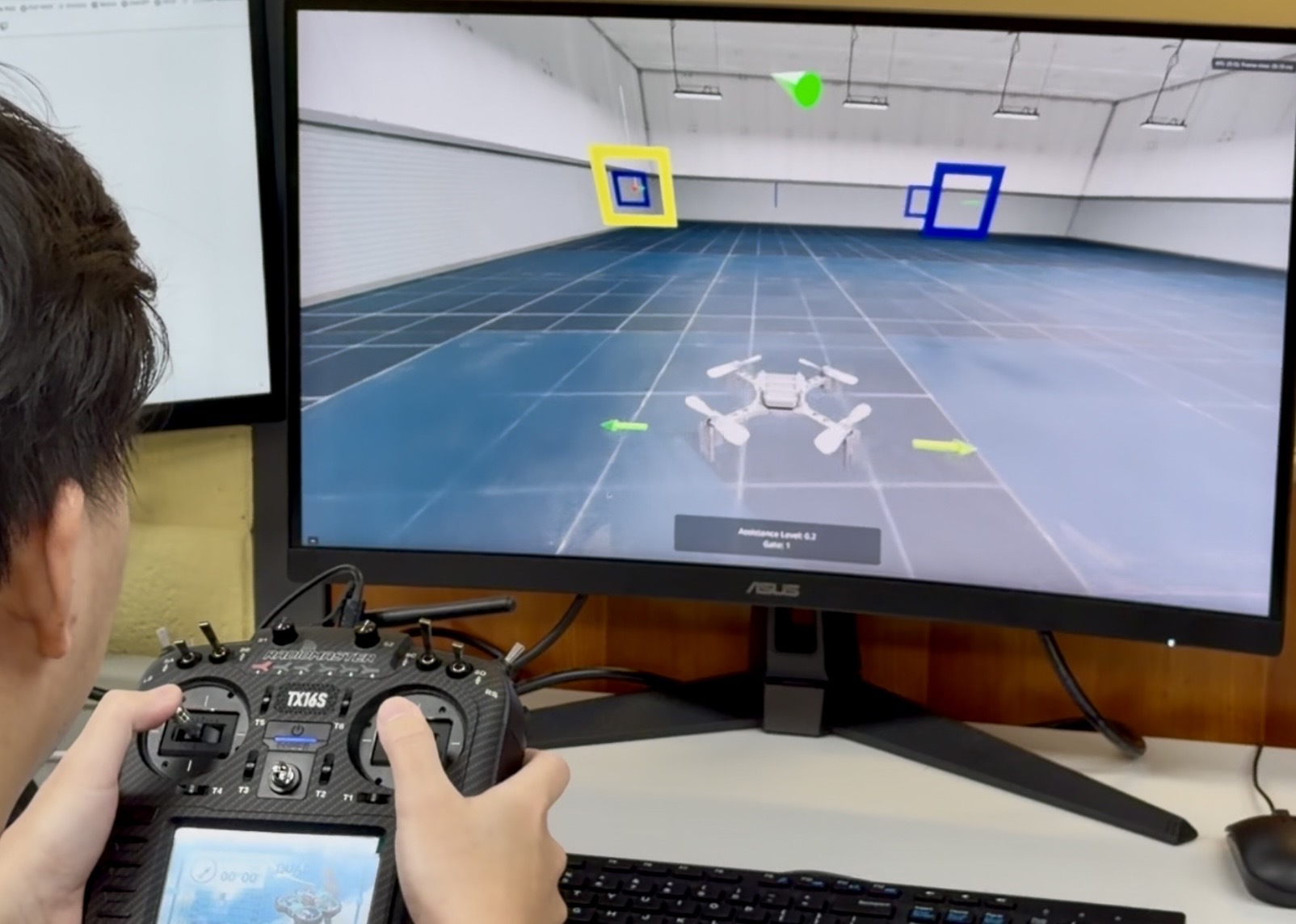
AI Coaching for Drone Racing

Conformal Prediction for Robotics

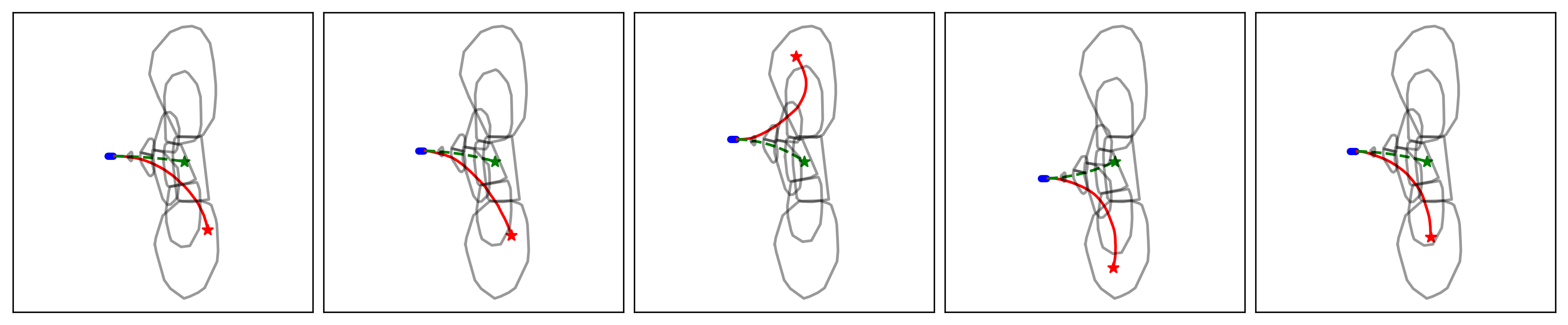
An exploration of conformal prediction techniques applied to robotics for improved decision-making and uncertainty quantification.

SIT-LMPC: Safe Information-Theoretic Learning Model Predictive Control for Iterative Tasks

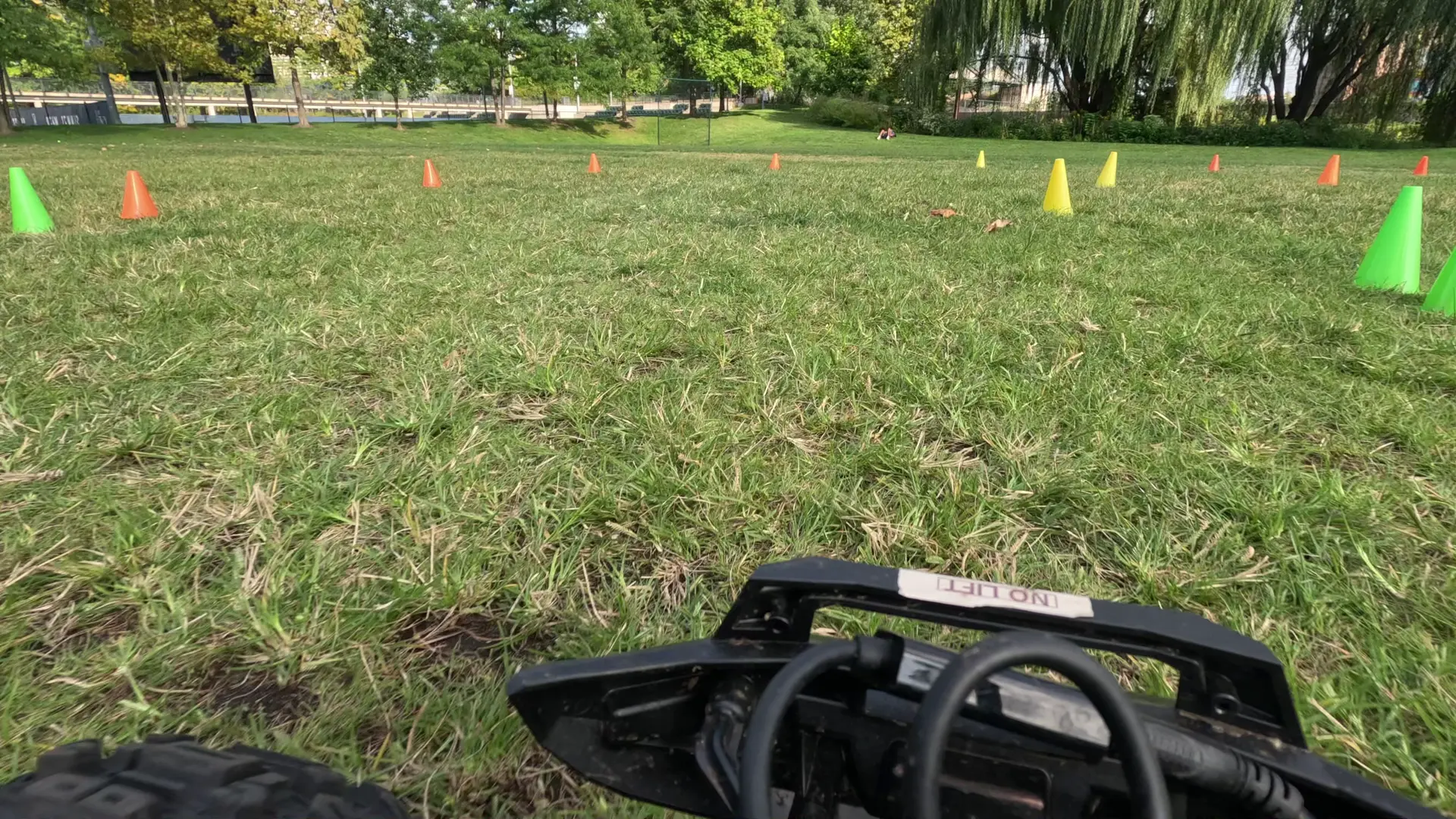
This letter introduces a safe information-theoretic learning model predictive control (SIT-LMPC) algorithm for iterative tasks.

AutoPlug: Hardware-in-the-loop Electronic Controller Unit Testing

We have developed AutoPlug, an automotive Electronic Controller Unit (ECU) test-bed to diagnose, test, update and verify controls software.

Fly-by-Logic: Safe-planning for Drone Fleets

My team has designed safe and efficient Learning-based decentralized collision avoidance for scalable urban air mobility.

Patient-specific Heart Modeling for Arrhythmia Ablation

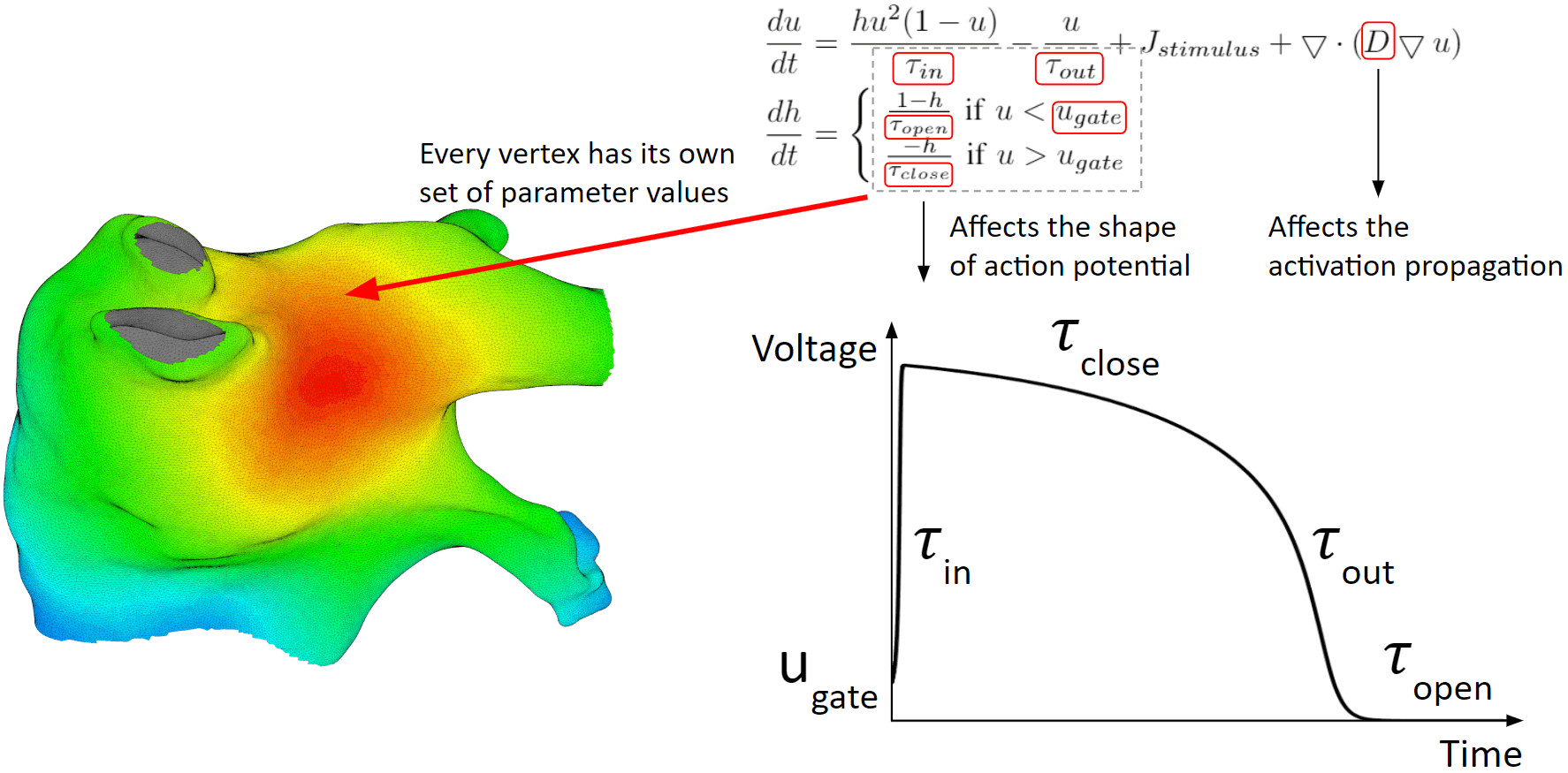
Process of patient-specific heart modeling is: extract patient data to tune heart model parameters, next, initiate arrhythmia (the heart's initial state is also extracted from patient data), then solve the heart model equations to simulate patient-specific arrhythmias.

Symbiotic Design for Cyber Physical Systems

Symbiotic Design for Cyber Physical Systems

Latest News