Green Scheduling

Overview

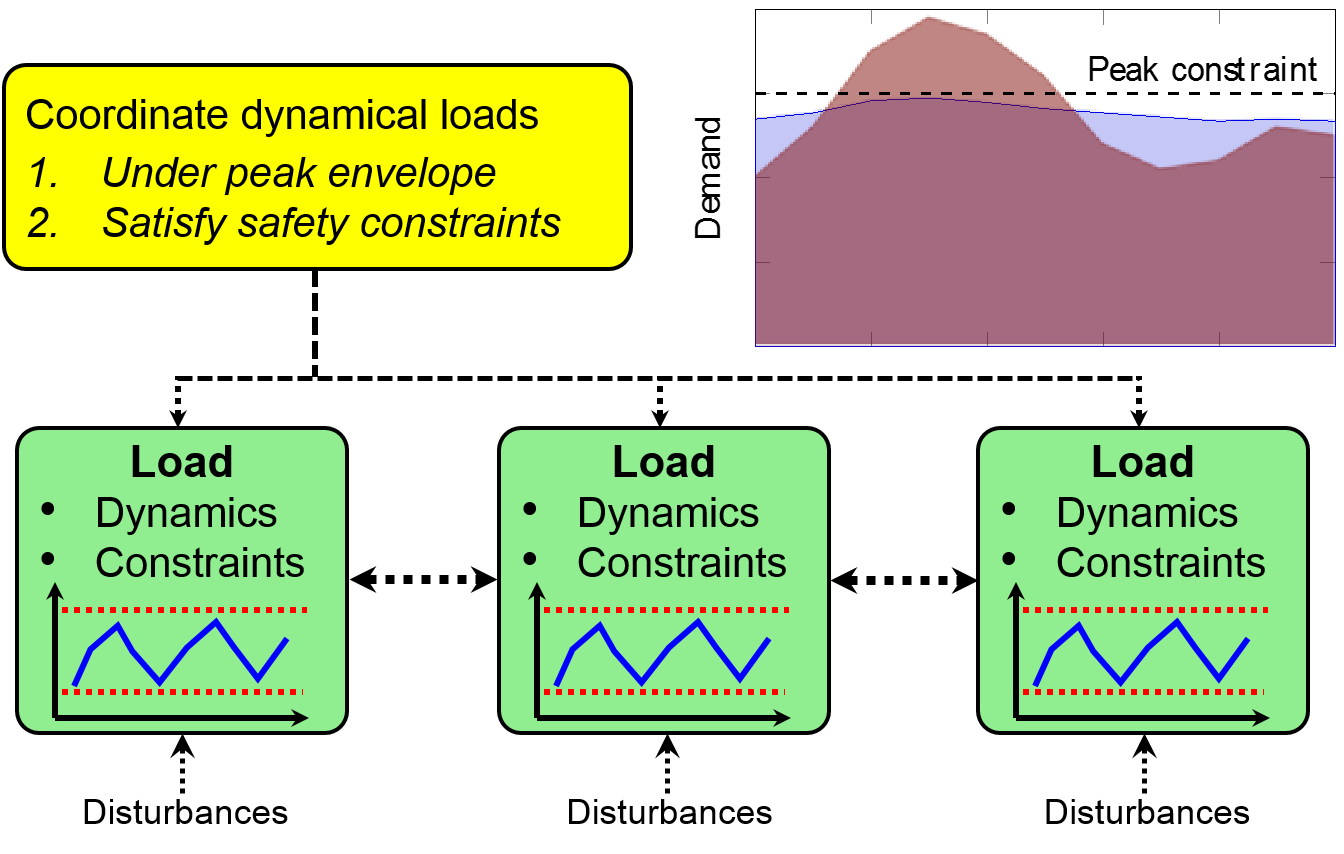
Heating, cooling and air quality control systems within buildings and datacenters operate independently of each other and frequently result in temporally correlated energy demand surges. As peak power prices are 200-400 times that of the nominal rate, this uncoordinated activity is both expensive and operationally inefficient. Green Scheduling is an alternative approach to fine-grained coordination of energy demand by scheduling energy consuming control systems within a constrained peak power while ensuring custom climate environments are facilitated. Unlike traditional real-time scheduling theory, where the execution time and hence the schedule are a function of the system variables only, control system execution (i.e. when energy is supplied to the system) are a function of the environmental variables and the plant dynamics.
image

Latest Posts

30th Roboracer Autonomous Racing Competition at the IEEE Vehicular Technology Conference (VTC 2026)

The 2026 IEEE 104th Vehicular Technology Conference: VTC2026-Fall will be held in Boston, MA, USA, 6 - 9 September, 2026. This semi-annual flagship conference of IEEE Vehicular Technology Society will bring together individuals from academia, government, and industry to discuss and exchange ideas in the fields of wireless, mobile, and vehicular technology.

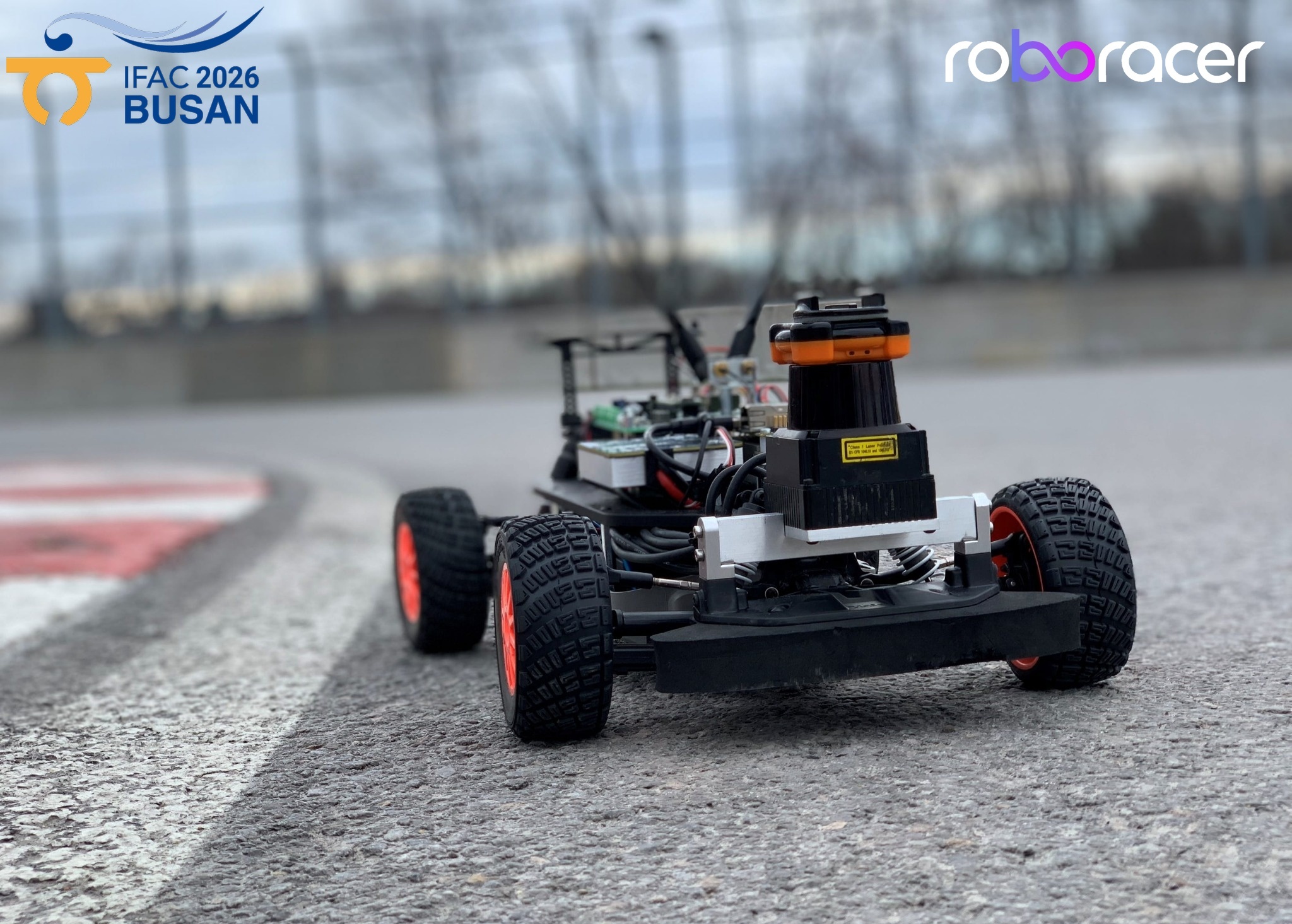
29th Roboracer Autonomous Racing Competition at the International Federation of Automatic Control (IFAC 2026)

The teams participating in 29th Roboracer Autonomous Racing Competition at IFAC 2026 will build a 1:10 scaled autonomous race car according to a given specification and write software for it to fulfill the objectives for the competition.

STL-SVPIO: Signal Temporal Logic guided Stein Variational Path Integral Optimization

Signal Temporal Logic (STL) enables formal specification of complex spatiotemporal constraints for robotic task planning.