SIT-LMPC: Safe Information-Theoretic Learning Model Predictive Control for Iterative Tasks
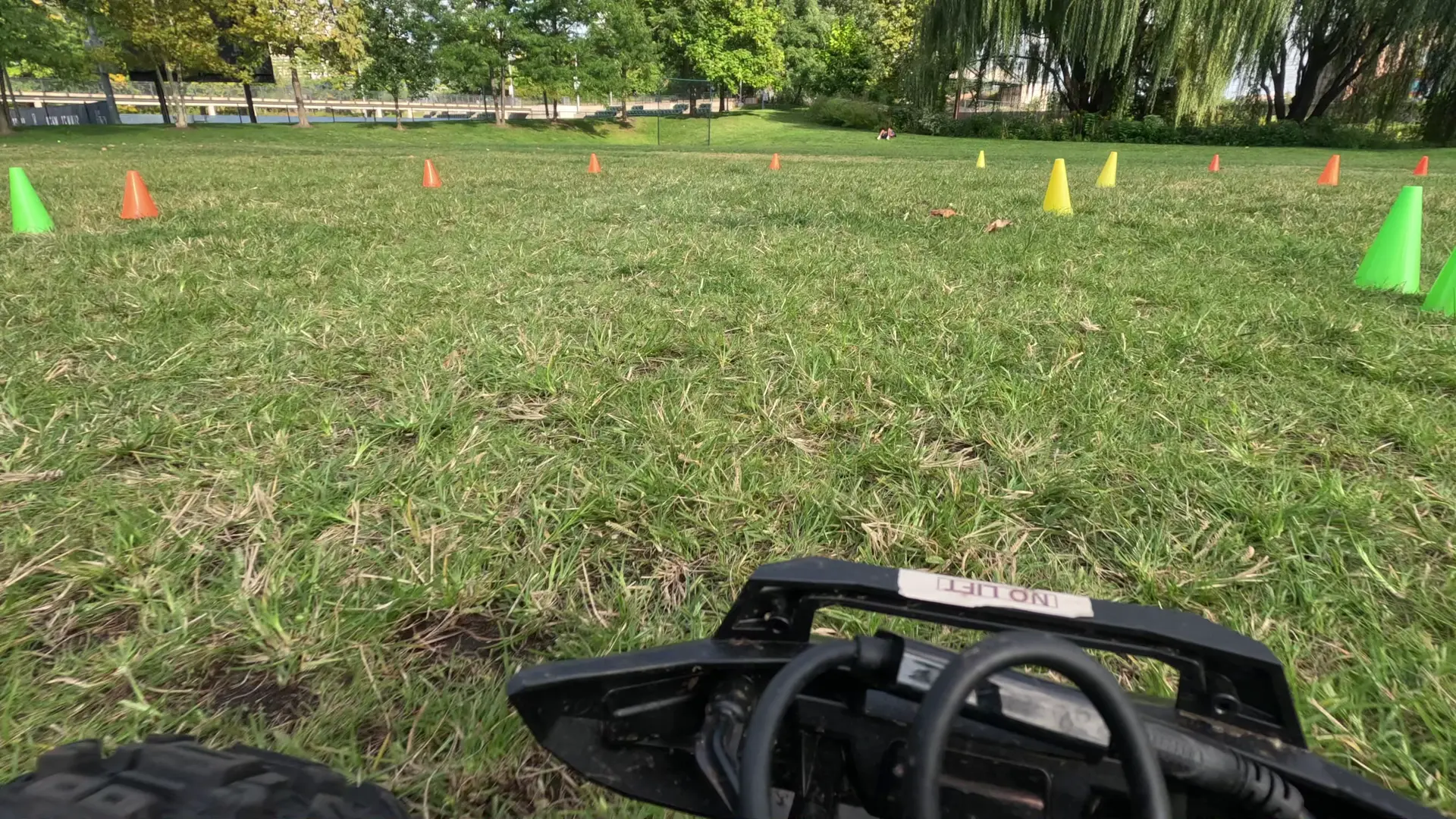
This letter introduces a safe information-theoretic learning model predictive control (SIT-LMPC) algorithm for iterative tasks.
This letter introduces a safe information-theoretic learning model predictive control (SIT-LMPC) algorithm for iterative tasks.

A game-theoretic framework for AI-assisted skill acquisition in high-speed drone racing and other cyber-physical tasks.
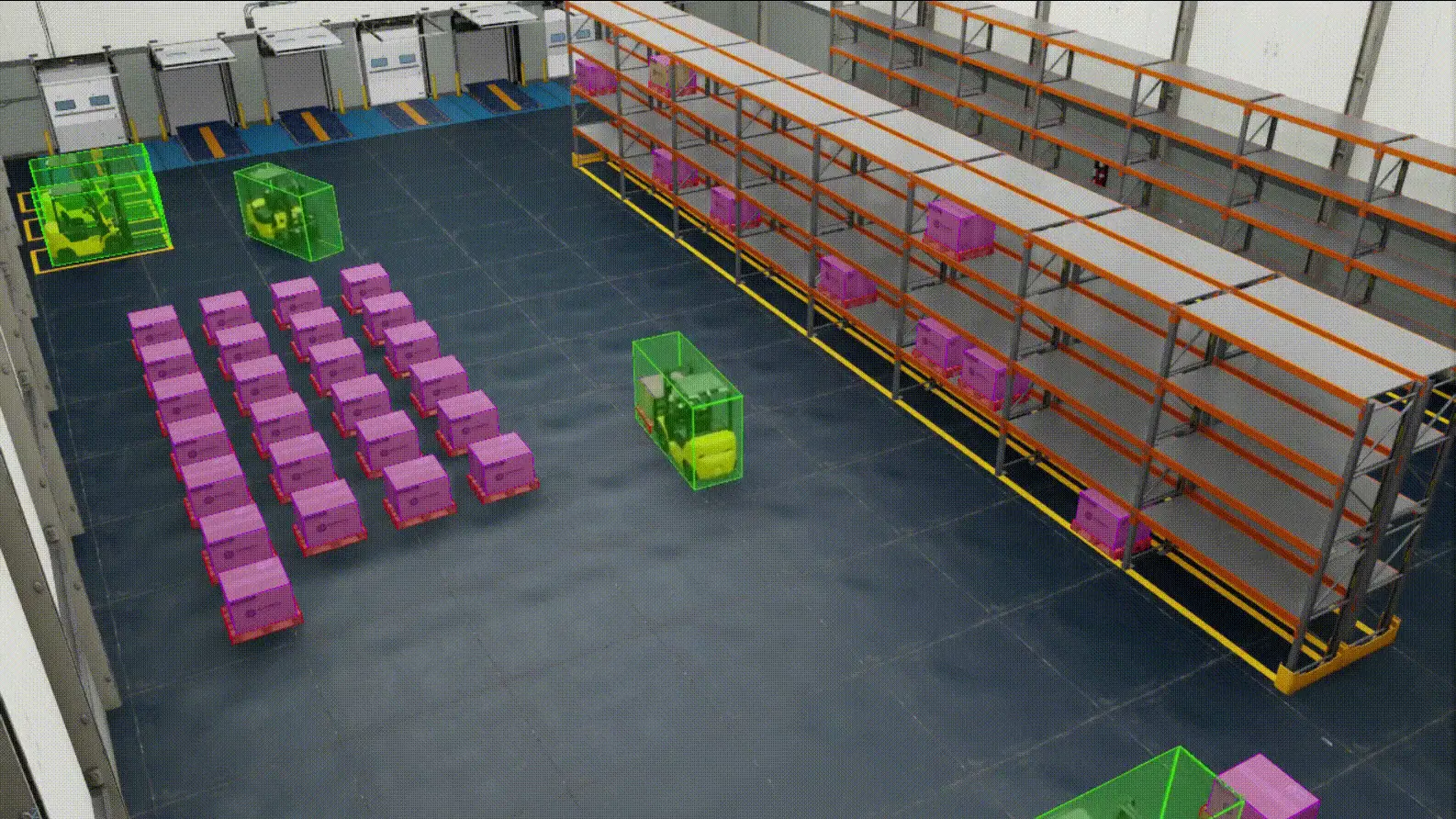
A low-cost hardware and software retrofit solution enabling scalable autonomous forklift fleets in brownfield warehouse environments.

Signal Temporal Logic (STL) enables formal specification of complex spatiotemporal constraints for robotic task planning.
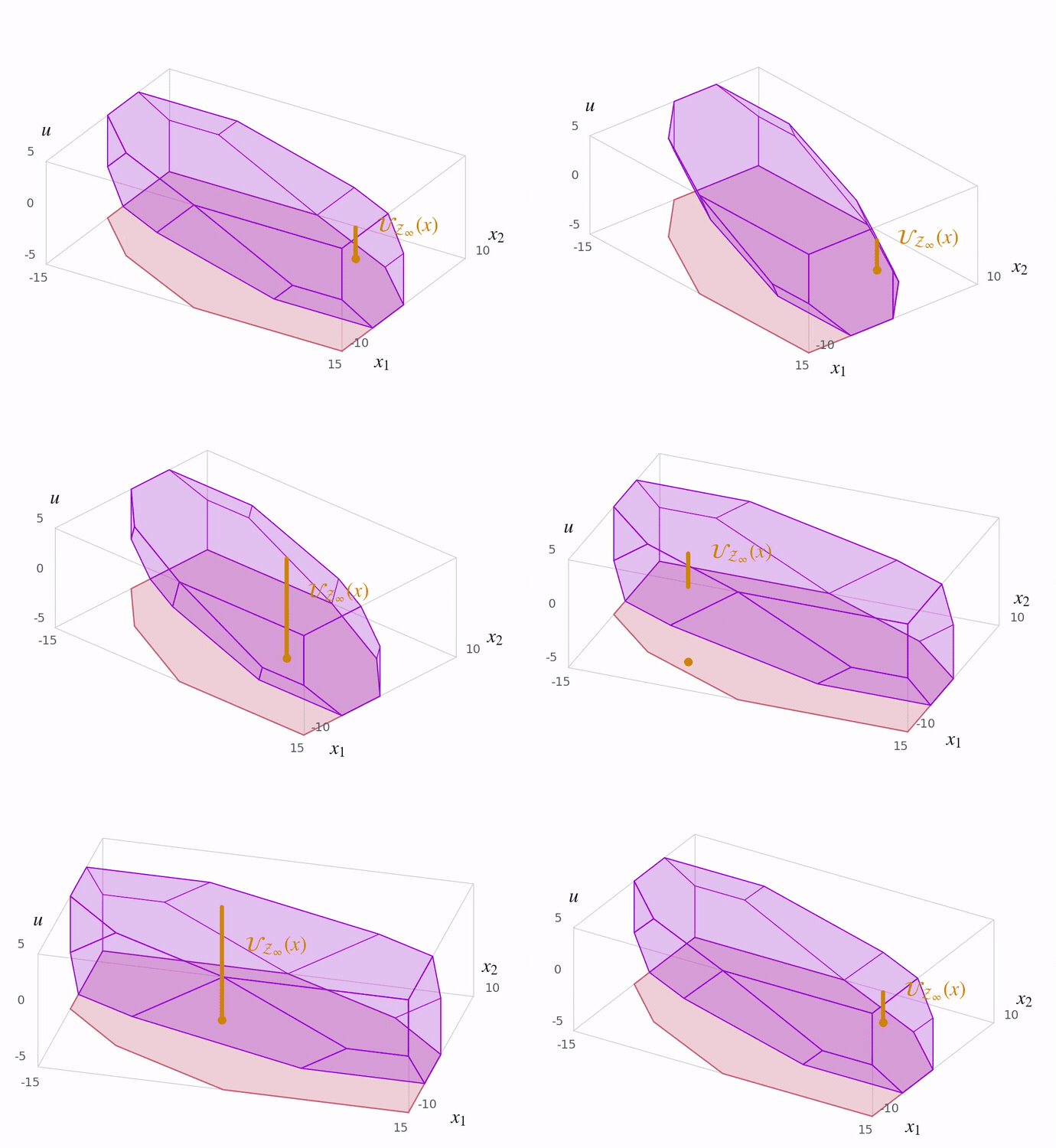
A learning-from-failure framework for learning the maximal control invariant set and its invariance-preserving inputs.

A running technical log of xLab and DEEP Robotics' legged-robot work: mapping, multi-floor navigation, automatic gait switching, our own continuous route follower and language-guided navigation.
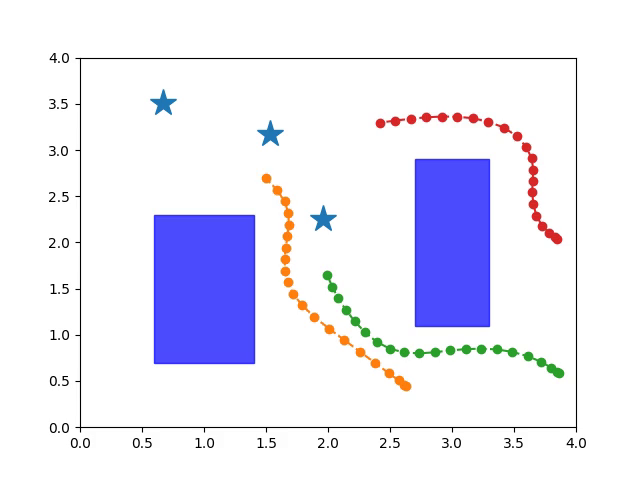
A hybrid learning-to-optimize framework for accelerating parametric MIQP with feasibility guarantees.
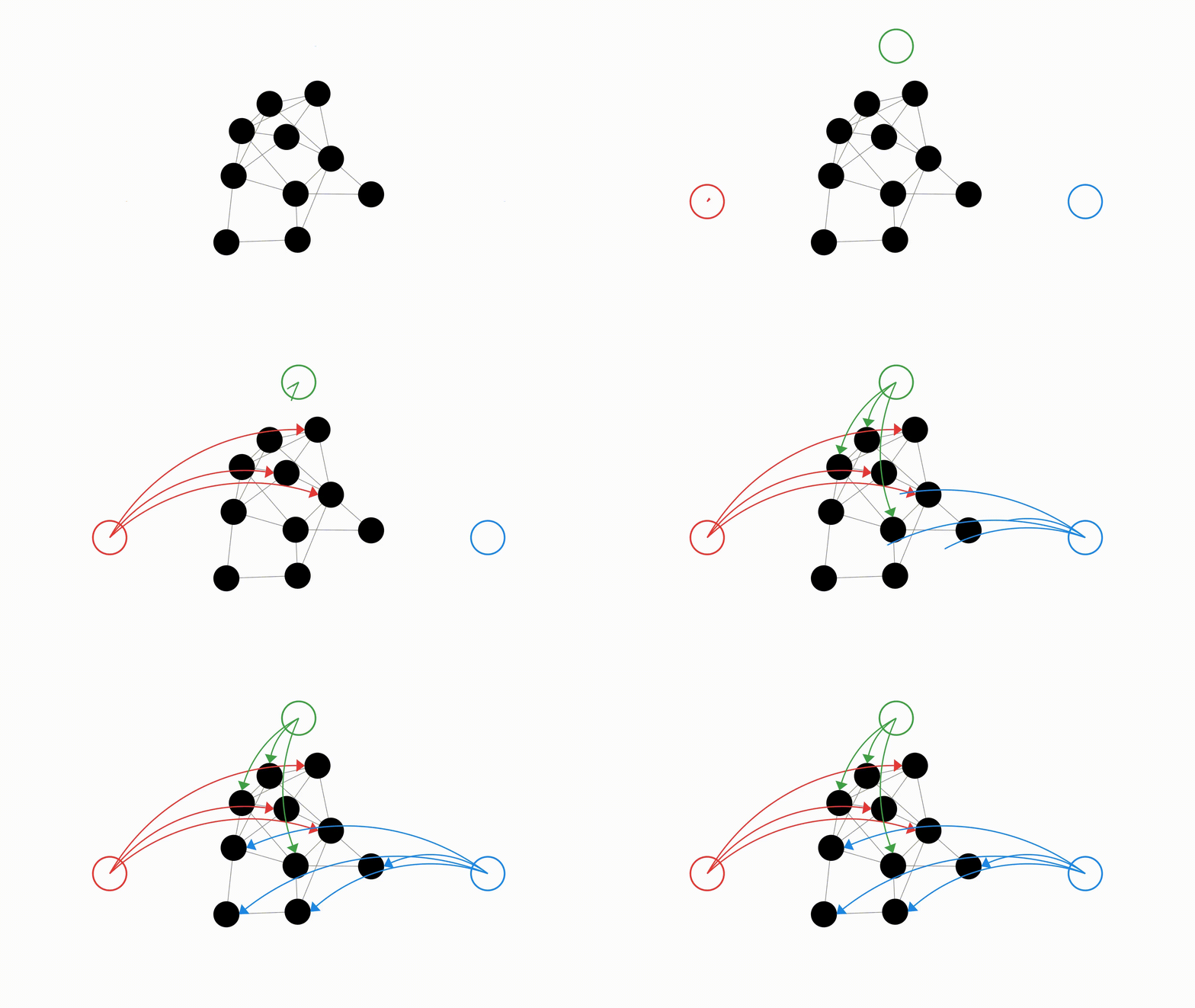
Modeling opinion dynamics under competing external influence operations.

Online road-surface estimation and learned controller weights for racing across changing friction conditions.
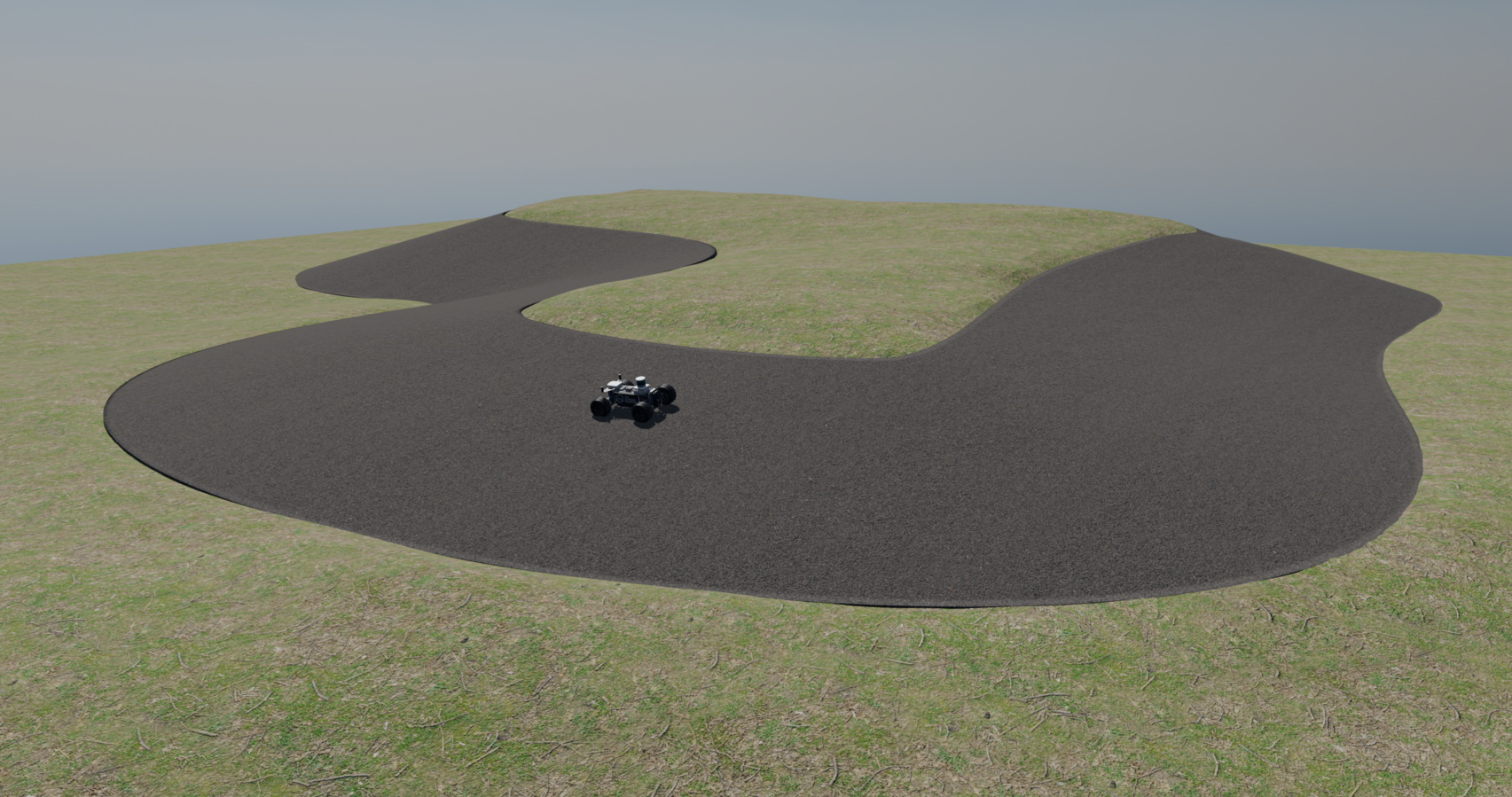
A geometry-aware MPC framework for autonomous vehicles on nonplanar terrain, using recursive sparse Gaussian Processes for real-time adaptation and improved tracking.

Learning sampling distributions and controller parameters to bring long-horizon objectives into single-step MPPI.
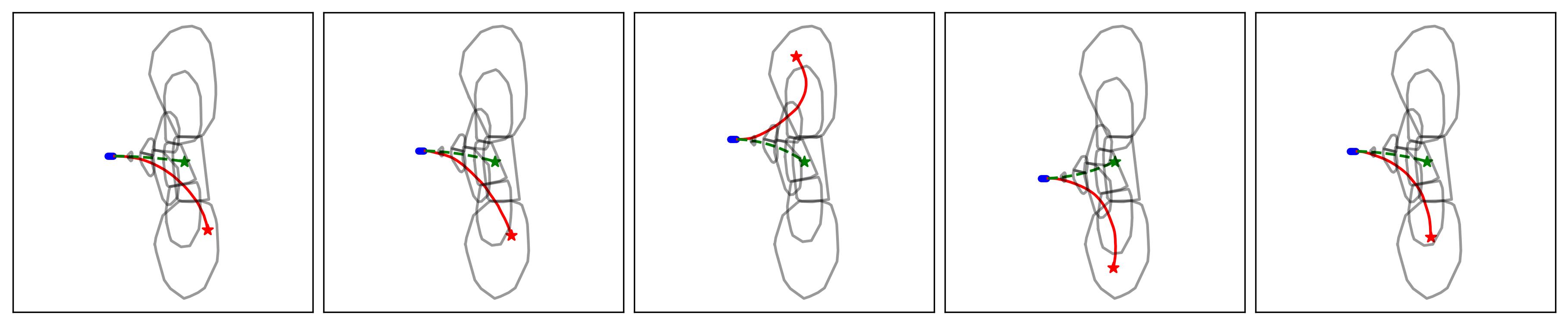
An exploration of conformal prediction techniques applied to robotics for improved decision-making and uncertainty quantification.
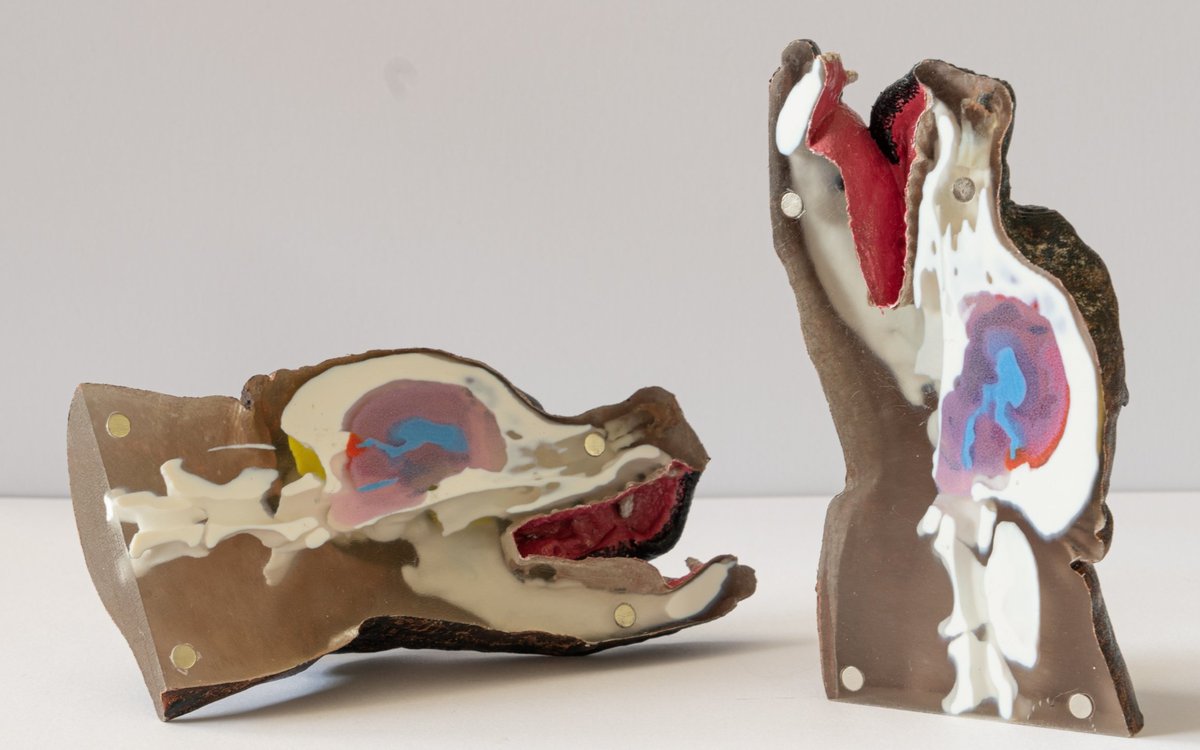
A collaboration with PennVet which aims to improve tools for canine neurosurgery, and to develop better real-time navigation and guidance for surgeons using patient-specific models.

A drivable digital twin of Philadelphia's Roosevelt Boulevard for traffic simulation and urban planning.
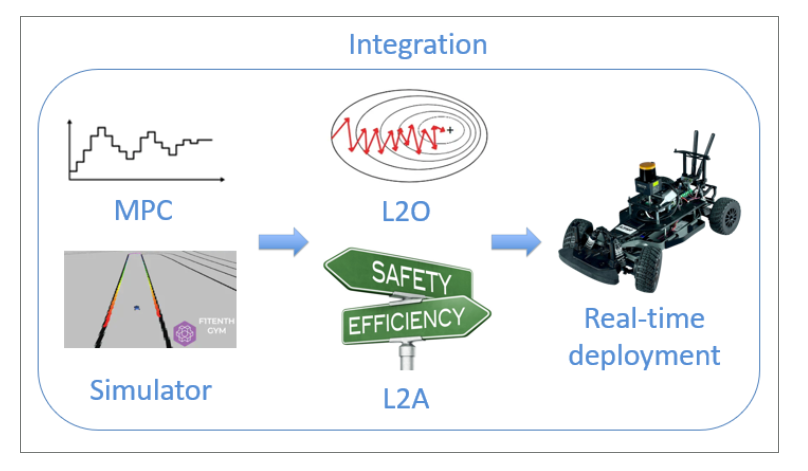
A project aiming at developing Learning to Optimize, Control, and Adapt frameworks and their applications in control systems.
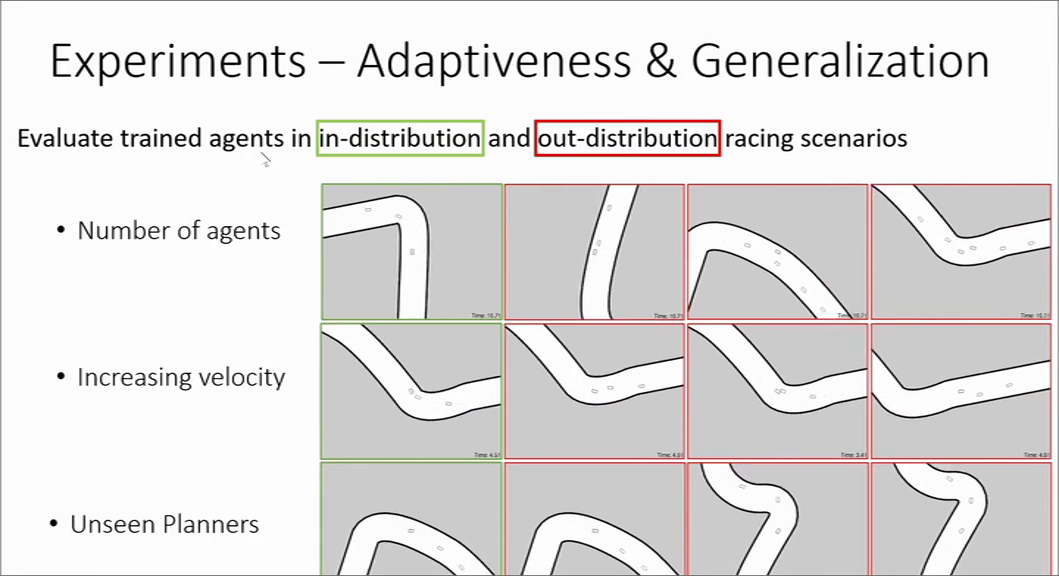
In this work, we will delve into the problem of adaptive safe learning for multi-agent systems with CBF. We will show how emergent behavior can be profoundly influenced by the CBF configuration, highlighting the necessity for a responsive and dynamic approach to CBF design.
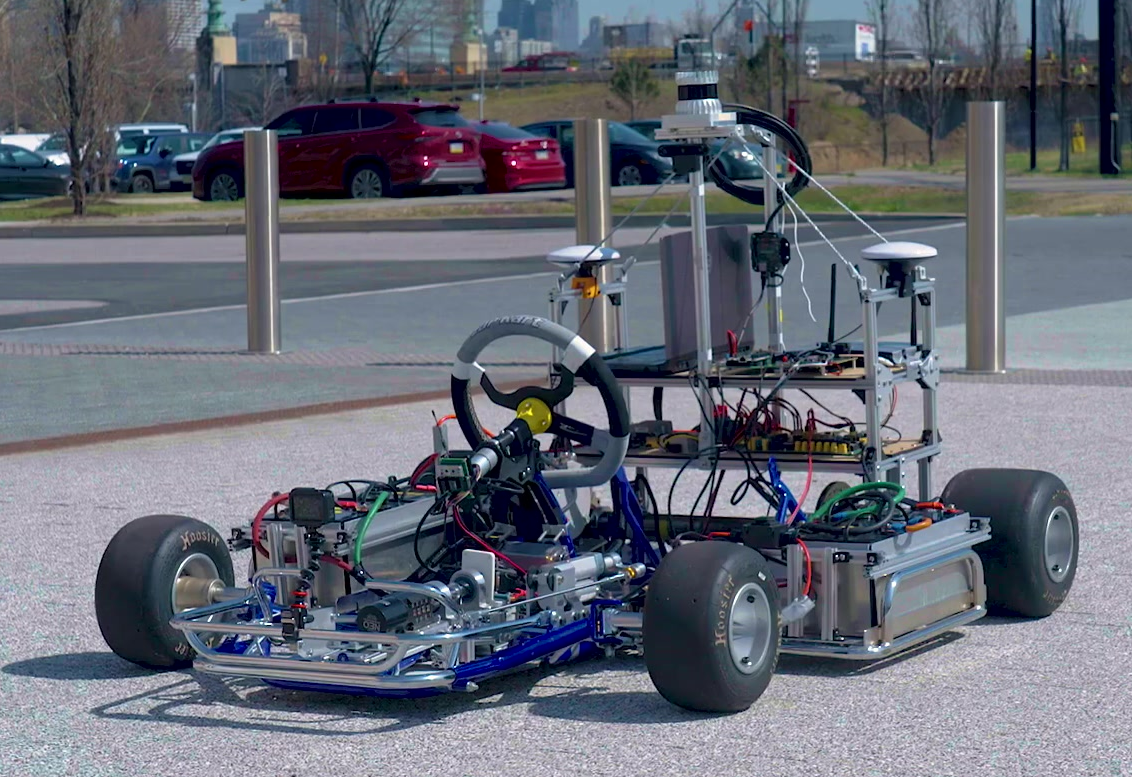
An open-source, modular autonomous electric go-kart platform for accesible autonomous vehicles research.
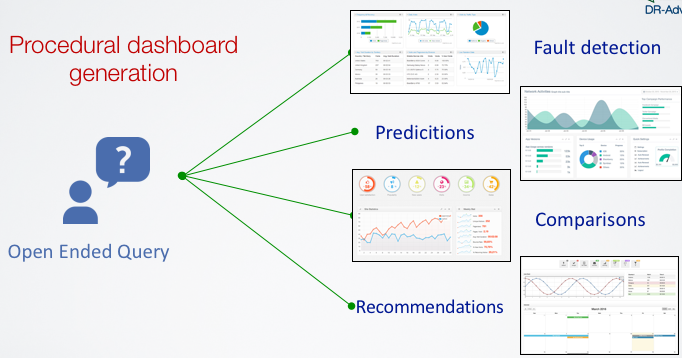
The focus of this research is on developing a taskable and interactive analytics system which is capable of answering open-ended questions. The system uses control-oreinted predictive models as a knowledge discovery database.
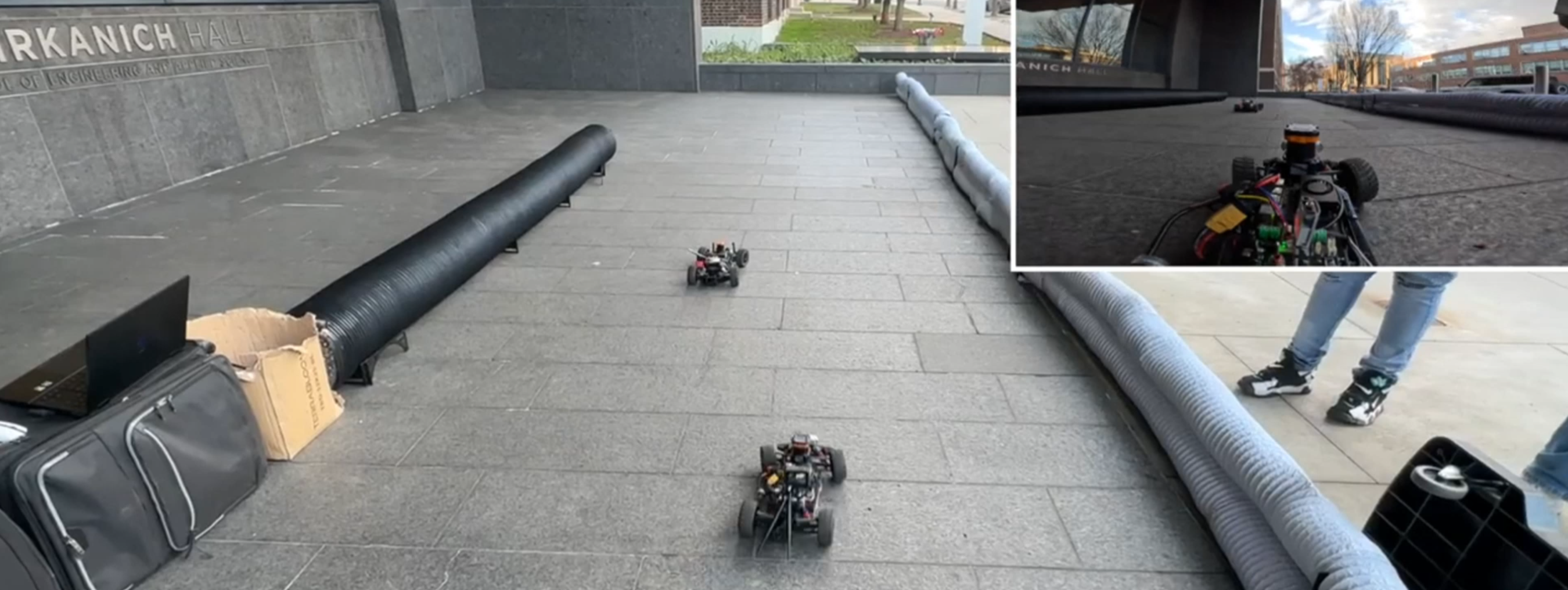
Learning autonomous racing policies from complementary imperfect experts, with F1TENTH benchmarks for imitation learning and reinforcement learning.
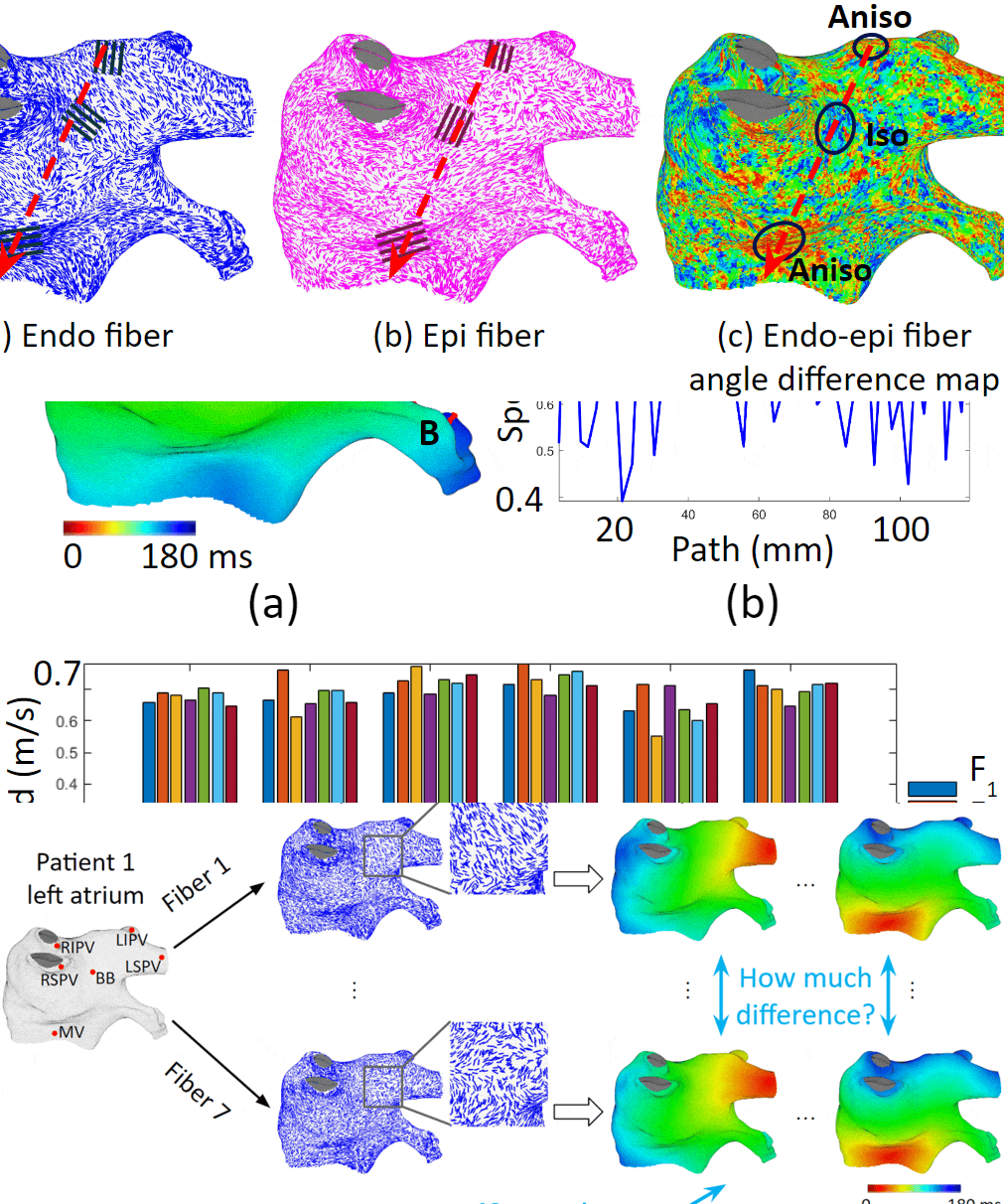
Our heart model needs to be patient-specific. Therefore, we process clinical data and feed them into the heart model, so that we can tune the heart model’s parameters.

Symbiotic Design for Cyber Physical Systems
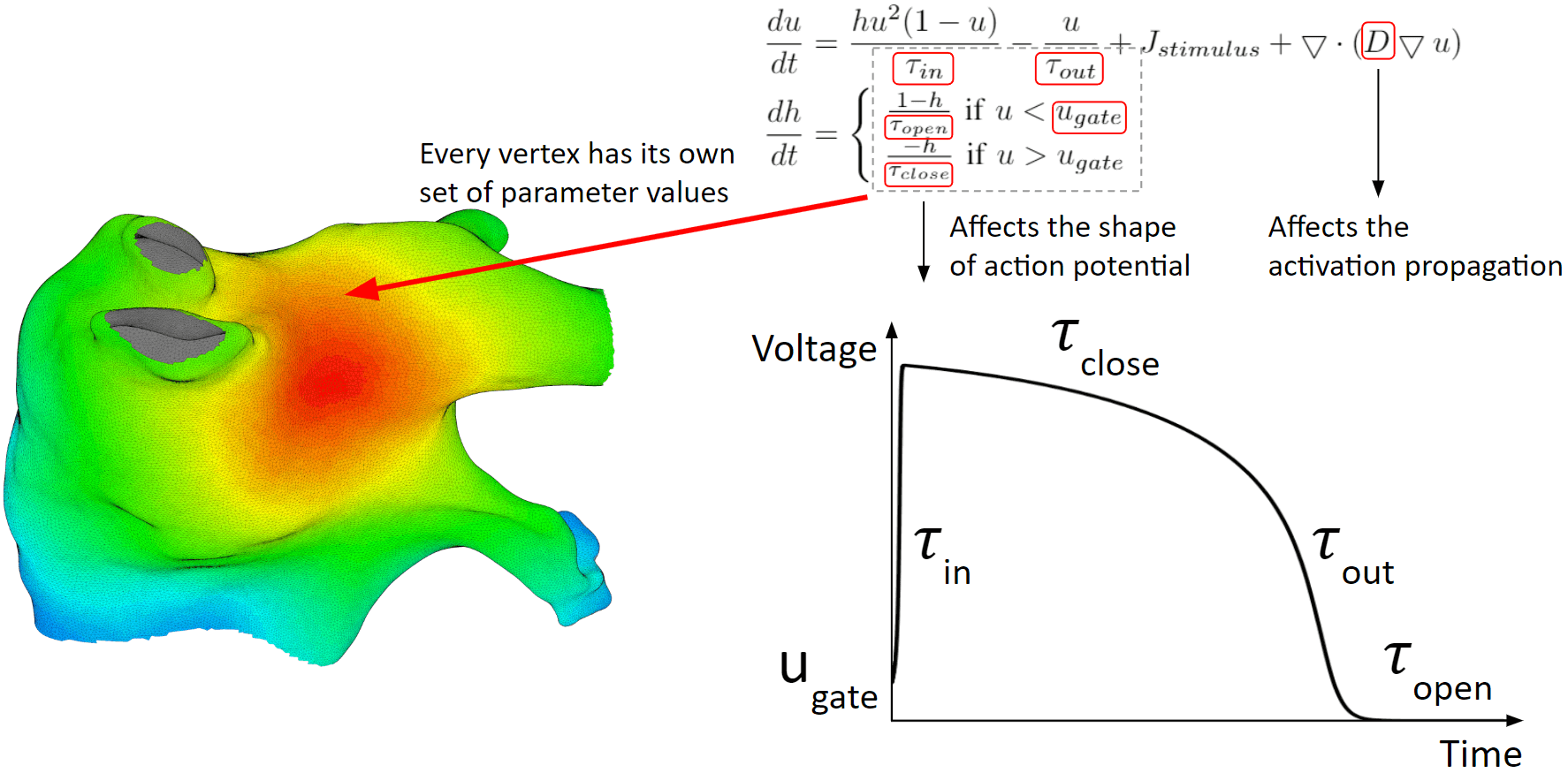
Process of patient-specific heart modeling is: extract patient data to tune heart model parameters, next, initiate arrhythmia (the heart's initial state is also extracted from patient data), then solve the heart model equations to simulate patient-specific arrhythmias.
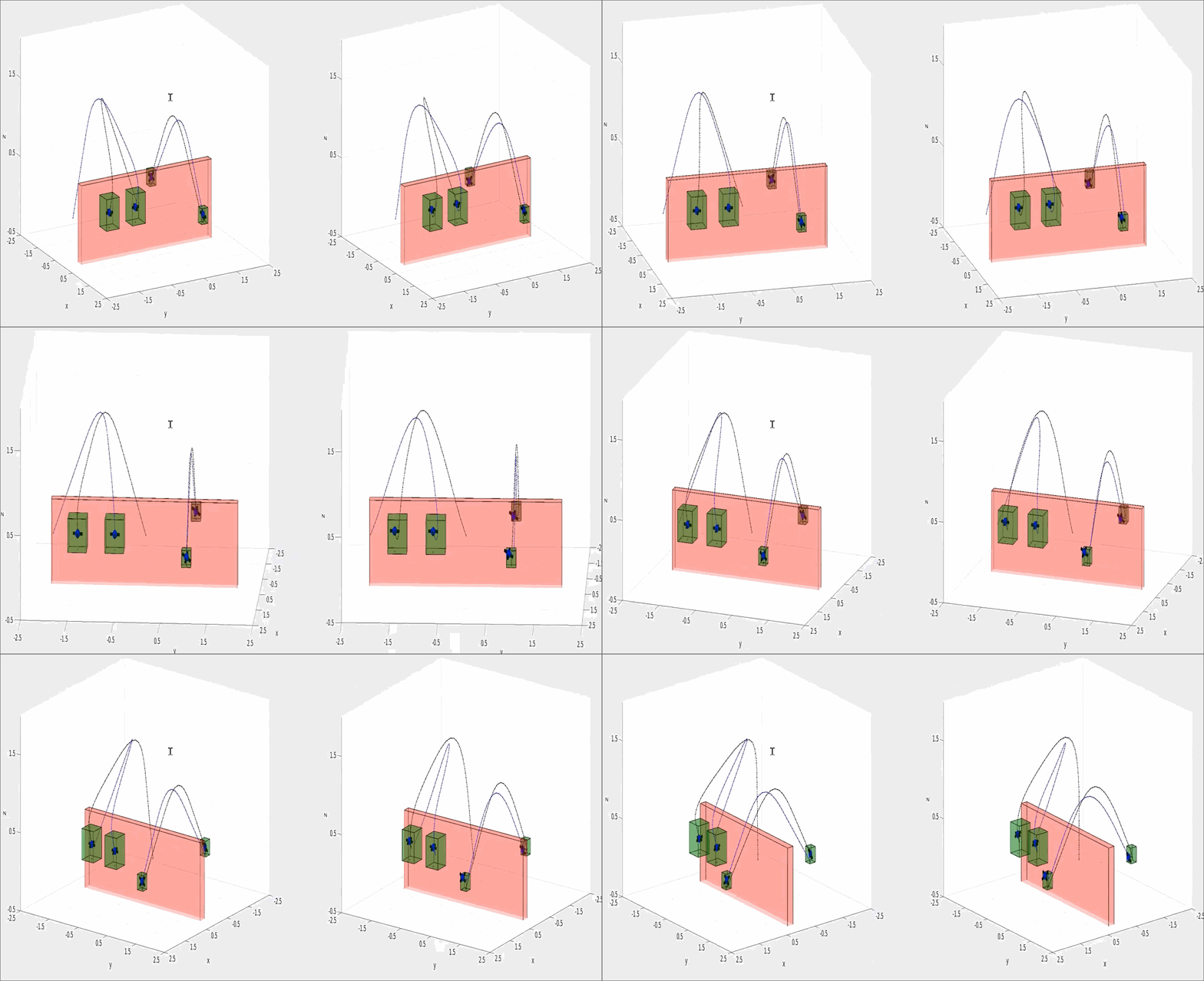
This project aims to develop such methods by combining learning-based decision making and decentralized Model Predictive Control to perform on-the-fly, predictive Collision Avoidance (CA) between two (co-operative) drones.
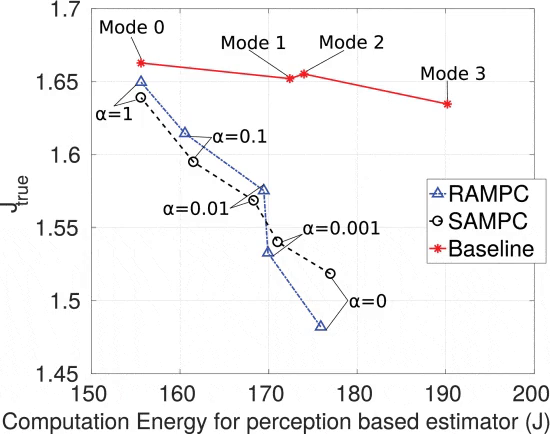
My team designed a variety of Robust Anytime Model Predictive Controllers that instruct the perception pipeline.
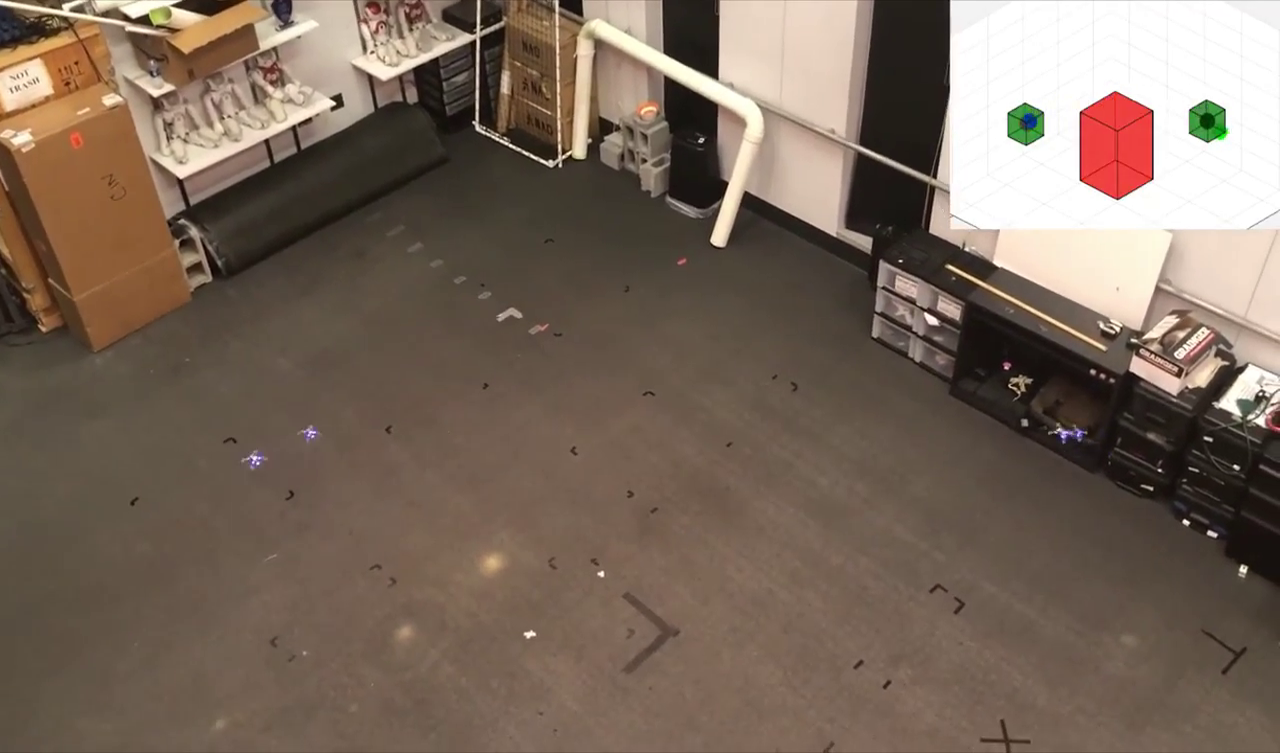
My team has designed safe and efficient Learning-based decentralized collision avoidance for scalable urban air mobility.
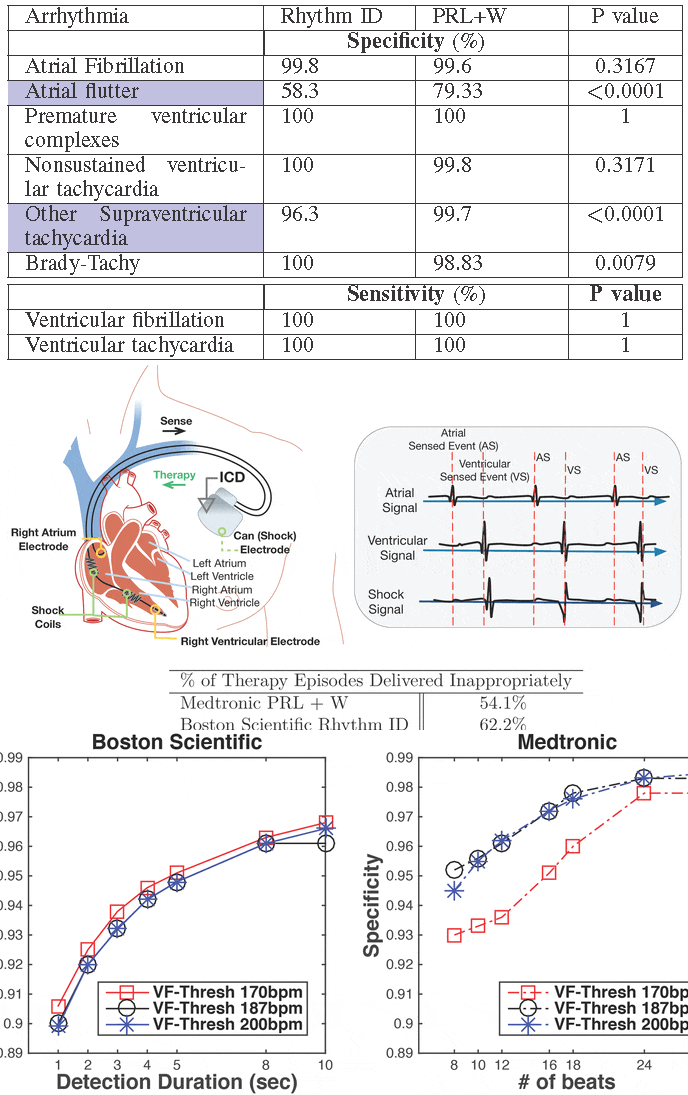
CACTs can be performed with very little cost before an actual clinical trial and the results can potentially provide useful insights for planning and conduction of the actual clinical trial.
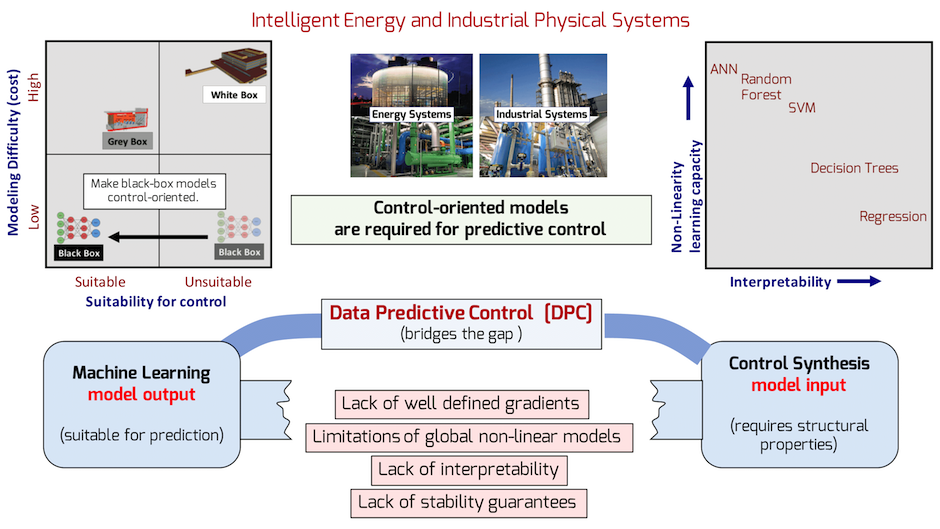
With Data Predictive Control (DPC) we bridge the modeling incompatibility gap between machine learning models and control synthesis by building control-oriented and interpretable regression tree based models.
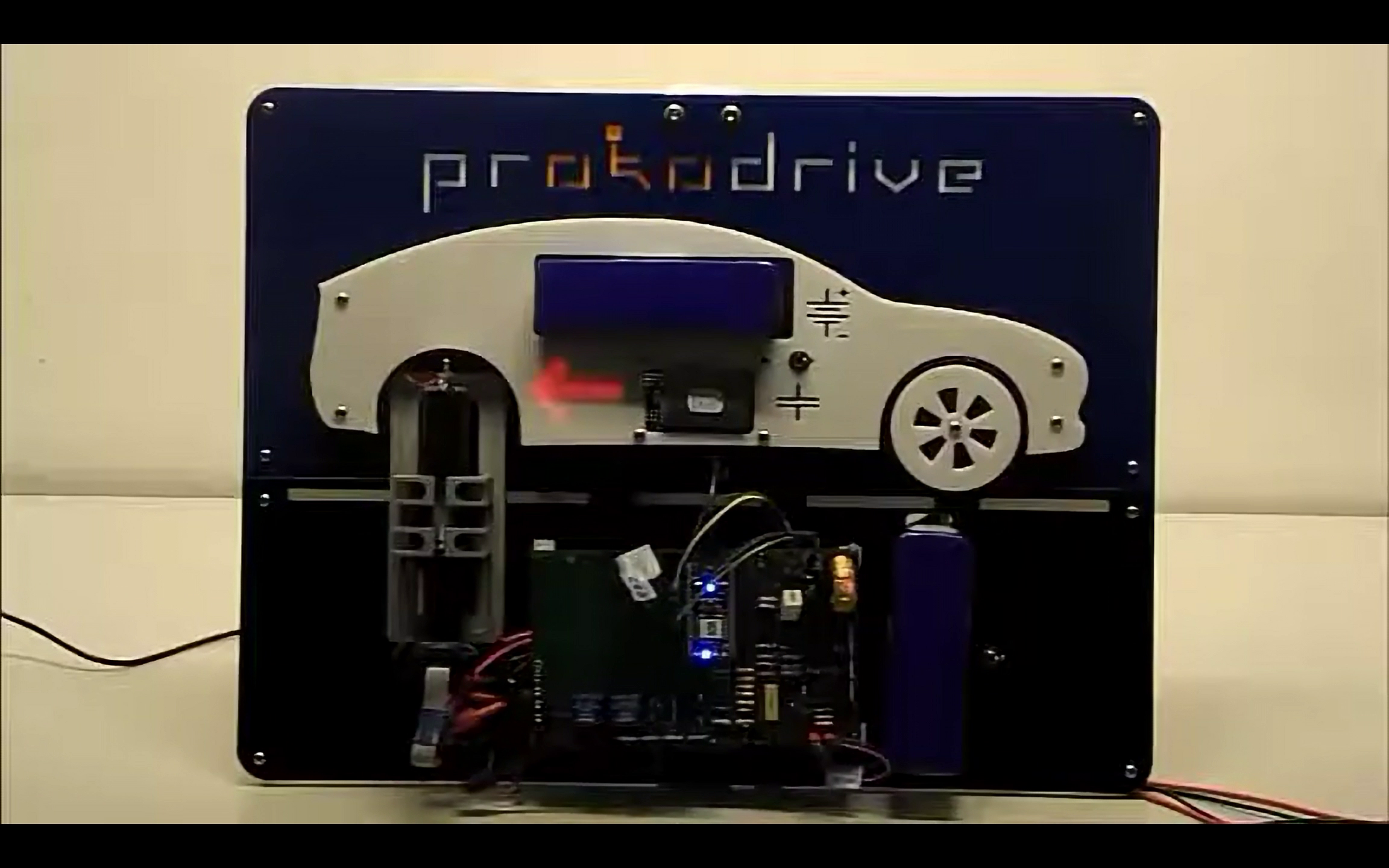
We aim to develop a control scheme to reduce the peak power drawn from the source for hybrid energy systems with limited computation power and limited load forecasts.

IMpACT is a methodology and a toolbox for analysis of uncertainty propagation for building inverse modeling and controls. Given a plant model and real input data, IMpACT automatically evaluates the effect of the uncertainty propagation from sensor data to model accuracy and control performance.
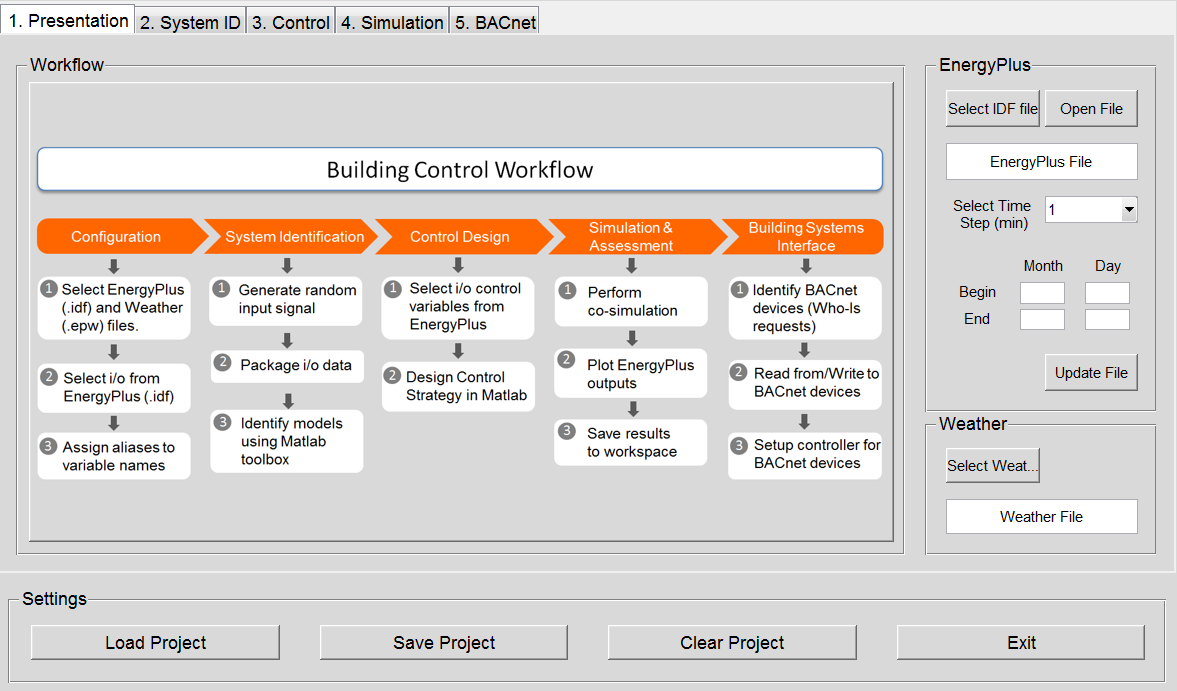
MLE+ is an open-source Matlab/Simulink toolbox for co-simulation with the whole-building energy simulator EnergyPlus. It is designed for engineers and researchers who are familiar with Matlab and Simulink and want to use these software tools in building energy simulation.
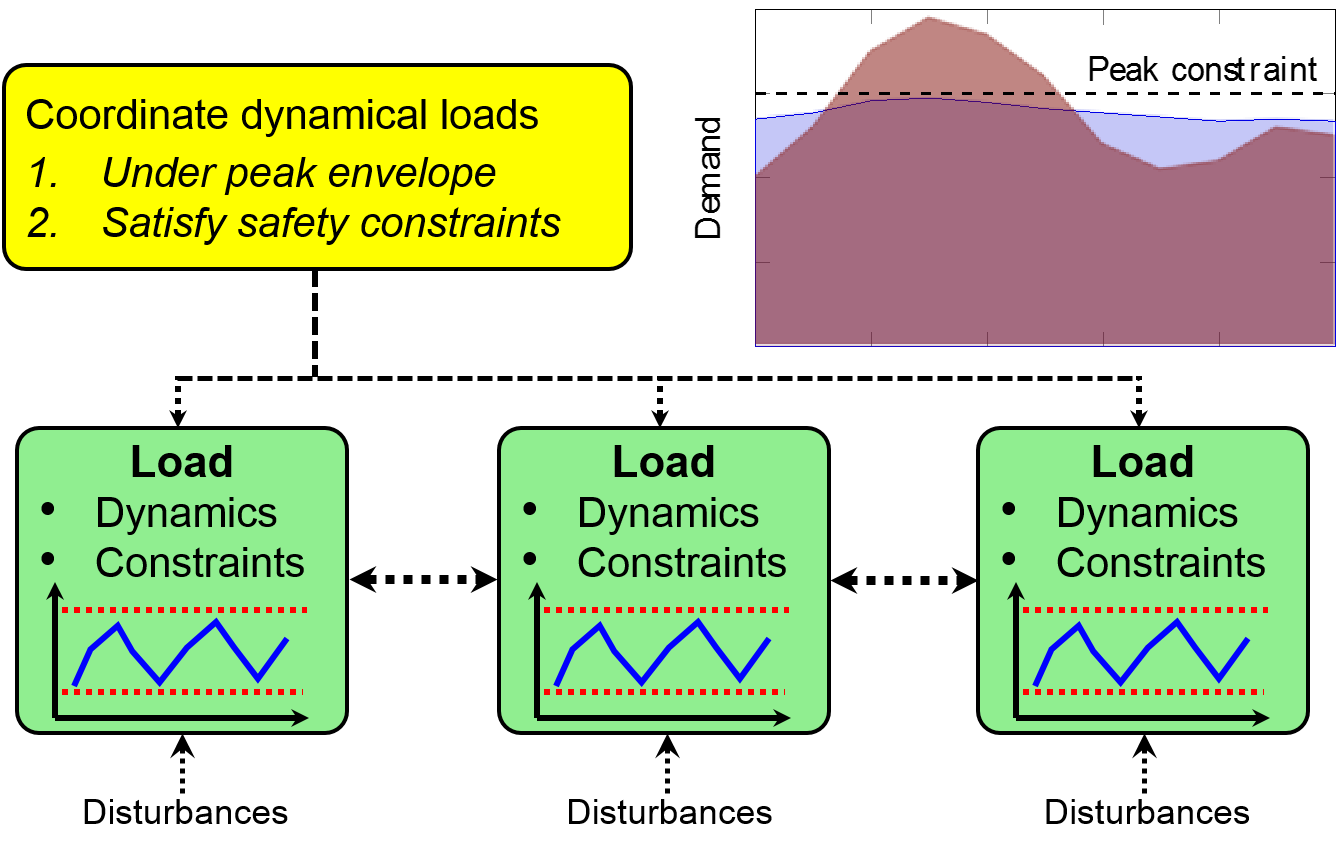
Coordinating building control systems to reduce peak energy demand while maintaining indoor comfort.
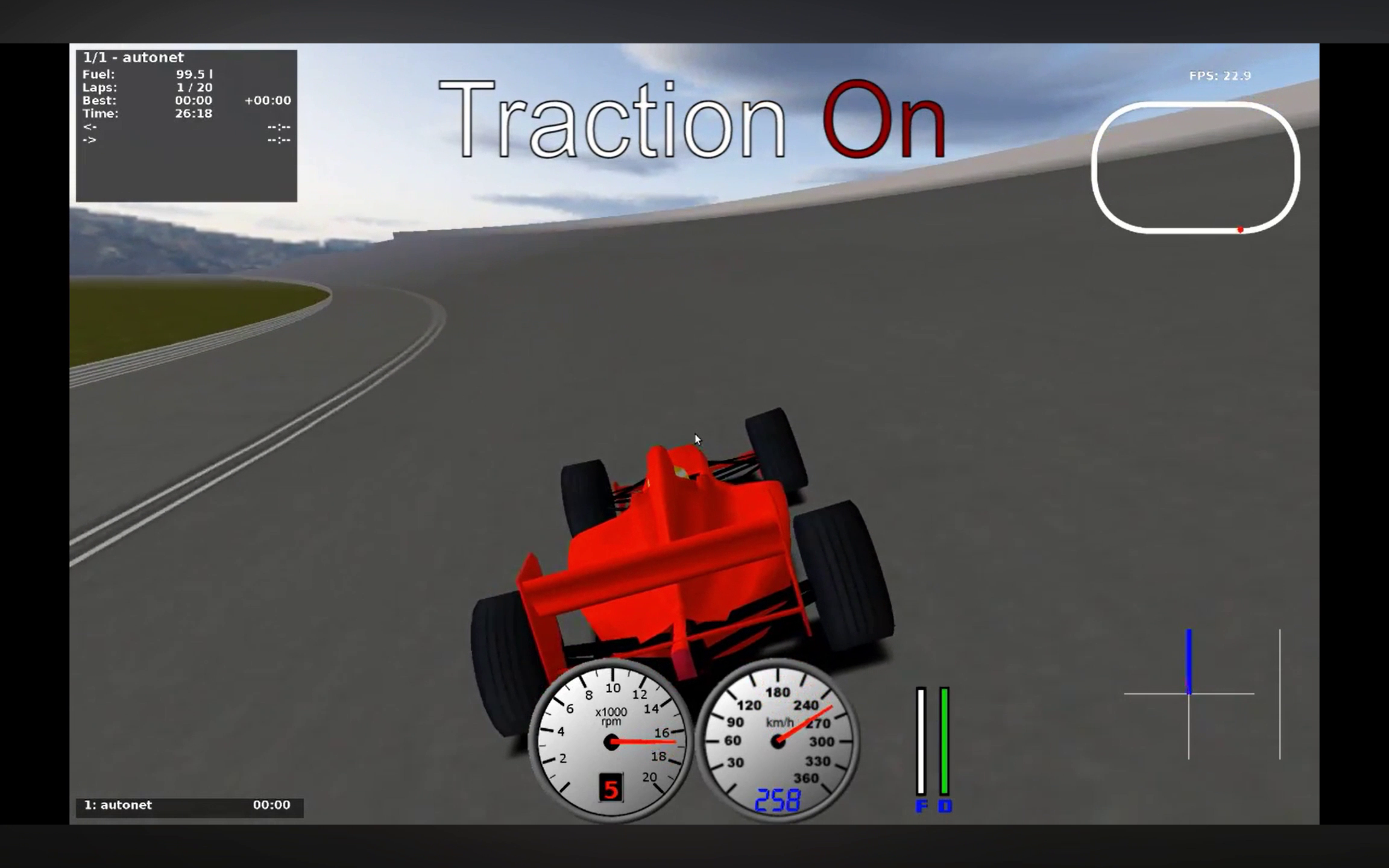
We have developed AutoPlug, an automotive Electronic Controller Unit (ECU) test-bed to diagnose, test, update and verify controls software.
No matching projects. Try another keyword or clear your search.